Eyes on the Reels: The Hidden Cost of Second-Screening Your UK Slot Session

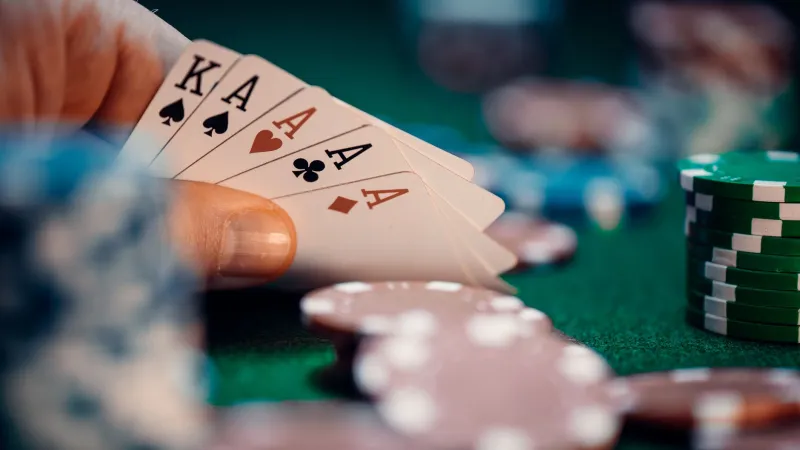
Photo by Photo by Rommel Azucena on Unsplash on Unsplash
The quiet drift of divided attention
You're spinning the reels, and also half-watching a YouTube video, replying to a group chat, or checking football scores. It feels harmless — just a bit of background noise. But when your attention is split, the small signals that normally keep a session in check get quieter. The clock, the balance, the subtle shift in your mood: they're all still there, but you're less likely to notice them. In 2026, second-screening is the default for many UK players. The risk isn't dramatic; it's the slow, invisible drift that happens when your focus is elsewhere.
What the second screen steals
First, time cues. Most UK casino sites display a session timer, but a timer only works if you look at it. If your eyes are on a chat thread, it becomes background furniture. You might plan a 30-minute session and find 70 minutes have gone.
Second, deposit decisions. A quick top-up feels faster when you're distracted. The confirmation screen appears, you tap again, and you're back to the other screen. The deliberate pause that might have caught a "do I really need this?" thought gets skipped. Over a session, those skipped pauses add up.
Third, mood awareness. Slots are designed to be engaging. When you're also consuming other content, you lose the ability to check in with yourself. Are you tense? Bored? Chasing a loss? The second screen fills the silence that might have prompted a break. And because the other content is often designed to hold attention too, you end up in a loop of two stimulating things at once — which makes it harder to step back.
The one-screen experiment
Try this for a week: one screen, one session. Close other tabs, put your phone face down, and give the slot your full attention — not forever, just for a short, defined session. It might feel strangely intense at first. That's normal. The point is to notice what you notice: time passing, balance changing, the urge to speed up or slow down. Many UK players report that a single-screen session feels shorter and more deliberate. You can always return to multitasking, but the experiment gives you a baseline. Think of it as a reality check, not a punishment.
Simple boundaries for your phone and notifications
If you want to keep a second screen nearby, set some boundaries. Put your phone on Do Not Disturb or use a focus mode that blocks social apps. Turn off push notifications for betting apps and casino emails — those pings are designed to pull you back. Keep the second screen for something low-stimulation, like a podcast or music, rather than a feed engineered to hook you. Decide in advance how you'll handle the urge to check messages: a quick note to yourself — "I'll reply after this session" — can help.
It also helps to make the first screen less frictionless. Remove saved payment details if you can, or set a deposit limit with your casino. That way, even if you are distracted, there's a built-in pause. The UK Gambling Commission requires licensed casinos to offer deposit limits and reality checks; use them. They're not there to spoil the fun — they're there to keep you informed.
A calmer way to stay aware
Awareness doesn't have to mean constant self-monitoring. Before you start, set a gentle intention: "I'll check in with myself every 15 minutes." Use the site's session timer or your phone's timer. When it goes off, pause and ask three questions: How much time has passed? How much have I spent? How do I feel? If any answer surprises you, take a five-minute break. Make a cup of tea. Step outside. The TigerSpin UK approach is about small, practical tools, not rigid rules.
If you notice you're regularly second-screening to avoid thinking about the session, that's worth paying attention to. It might be a sign to shorten your sessions or take a longer break. GamStop and other self-exclusion tools are there if you need them, but the first step is simply noticing.
The tiger's focus
The tiger doesn't chase two prey at once. Focus is part of playing smart. A single-screen session isn't a test of willpower; it's a way to give yourself accurate information. When you're not divided, you can see the session clearly — and that's the best foundation for safe, enjoyable play. Spin smart, play safe.