Slow the Tap: Why Easy Casino Deposits Need a Speed Limit
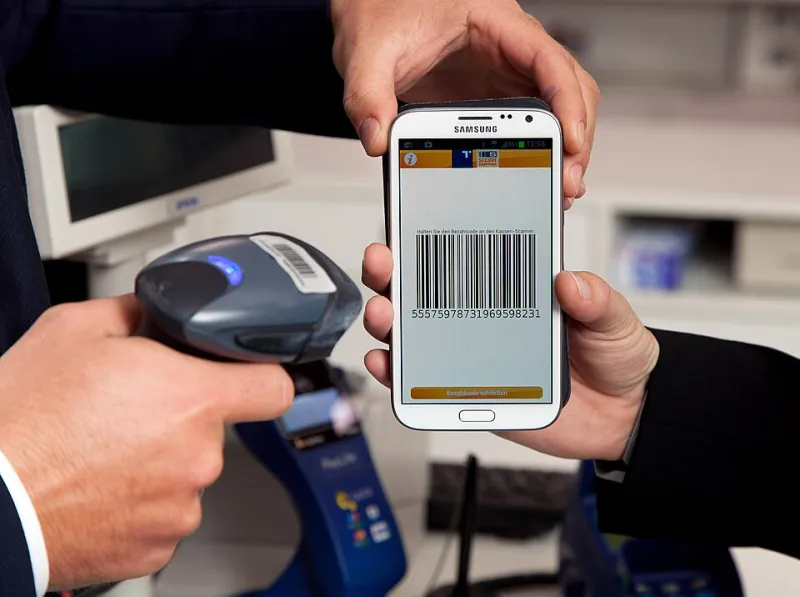
Photo: Richard Tanzer Fotografie / VeroPay, CC BY-SA 3.0, via Wikimedia Commons
You know the feeling. You are on the sofa, phone in hand, and the casino app is already open. A saved debit card is staring back at you. One tap, a Face ID glance, and the balance moves. No card reader, no PIN, no walk to the cash machine. Just a small vibration and a new number on screen.
That smoothness is the point of modern payments. It is also the reason a session can drift. In 2026, UK casino deposits are faster than ever: stored cards, open banking transfers, e-wallets and quick top-up buttons all compete to remove the awkward bits. The awkward bits, it turns out, were doing some quiet work. They gave you time to think.
This is where a friction budget comes in. Not a ban on convenience, and not a lecture. A friction budget is a small set of deliberate speed bumps you choose before you play, so the easy path stays easy but the spending stays visible.
Why easy money feels less like money
Cash has weight. A tenner in your hand feels like something you can lose. A tenner moved through an app can feel like a number changing colour. Researchers call this reduced payment salience — the less you physically handle money, the less painful spending feels. In a casino session, that matters. Slots and instant-win games are already fast. Add one-tap deposits and the gap between wanting to play and playing shrinks to almost nothing.
None of this is unique to gambling. We all tap and go at coffee counters and supermarket checkouts. But casino games have a rhythm that can make quick deposits feel like part of the entertainment rather than a separate decision. The trick is to put a little distance back in, without turning your evening into an admin task.
The shortcuts worth reviewing
Most UK casino accounts come with some form of stored payment method. You might have a debit card saved, a PayPal or Skrill link, or open banking set up for instant transfers. Each one is useful. Each one also removes a decision point.
Saved debit cards and one-tap top-ups
A saved card is the classic friction remover. The first deposit takes a few fields. The second takes one tap. If the casino offers a quick top-up button during play, the whole thing can happen without leaving the game screen. That is convenient when you have planned a deposit. It is less helpful when you are chasing a bonus or reacting to a losing run.
E-wallet balances
E-wallets add another layer. If your PayPal or Skrill account already holds money, a casino deposit can feel like moving points between two apps. The cash left your bank account earlier, so the casino transaction does not show up as a bank debit in the same way. That separation can be useful for budgeting, but it can also blur the line between your everyday money and your play money.
Open banking and instant transfers
Open banking has made bank transfers much smoother. You approve a payment in your banking app and the casino receives it in seconds. No card details, no waiting. Again, great for control if you are moving a set amount from a separate spending account. Less great if it becomes a reflex during a session.
Build your friction budget before you play
The best time to add friction is before the first spin, not after the third deposit. Here is a practical checklist for UK players. Pick two or three items rather than all of them. The aim is a speed limit, not a roadblock.
| Shortcut | Friction swap |
|---|---|
| Saved debit card | Remove it from the casino account and re-enter details each time |
| One-tap top-up | Turn off quick deposit where the option exists, or log out after each deposit |
| Pre-loaded e-wallet | Keep a low balance or unlink the wallet from casino sites |
| Instant open banking | Use a separate spending account with only your session budget in it |
| No deposit limit | Set a daily or weekly limit before you play, and set it lower than you think |
A few notes on that table. Removing a saved card sounds drastic, but it is one of the simplest ways to add a 30-second pause. Thirty seconds is enough to ask yourself whether this deposit was planned. Setting a deposit limit is not about predicting the future perfectly; it is about capping the damage if the session goes sideways. UK-licensed casinos must offer deposit limits, and most let you set them in the account settings. If you are not sure where to find yours, search the help centre for deposit limits or ask live chat.
It also helps to decide your session budget in pounds before you open the app. Write it down. Move that amount to a separate spending account if you have one. When the account hits zero, the session is done. That is a friction budget in its simplest form: the money is still yours, but it is not sitting one tap away from the reels.
Healthy pauses that do not feel like hassle
Friction is not only about payment settings. It is also about time. A five-minute pause between deposits can feel like nothing, but it breaks the momentum. Use it to make a cup of tea, check your balance, or simply stand up. If the casino offers reality checks, set them for every 30 or 60 minutes. They are not there to nag you; they are there to show you the clock.
Another useful habit is a deposit log. Nothing fancy — a note on your phone with the time and amount. It takes ten seconds and makes the session visible in a way that a scrolling balance does not. If you notice the log filling up faster than you expected, that is information, not a judgement.
When convenience is the problem
There is a point where a friction budget stops being about small speed bumps and starts being about your relationship with the app. If you find yourself removing limits, opening a second account, or using a payment method specifically to get around your own rules, that is a sign to pause. GAMSTOP and casino cool-off tools exist for exactly that reason. So does support from organisations like GamCare. Friction is a tool, not a cure.
At TigerSpin UK, we are not anti-convenience. One-tap deposits are fine when they are part of a plan. The problem is when they replace the plan. A friction budget puts the plan back in charge.
The tiger's takeaway
Easy deposits are not evil, and saved cards are not a trap. But every removed step is a removed chance to think. Choose a couple of friction points, set your limits before you play, and give yourself permission to make the session slower than the app wants it to be. Your future self — the one checking their bank balance tomorrow — will thank you.
Spin smart, play safe. And if gambling stops feeling like fun, take a break.