What Ten Pounds Can Really Do: A UK Slot Bankroll Reality Check
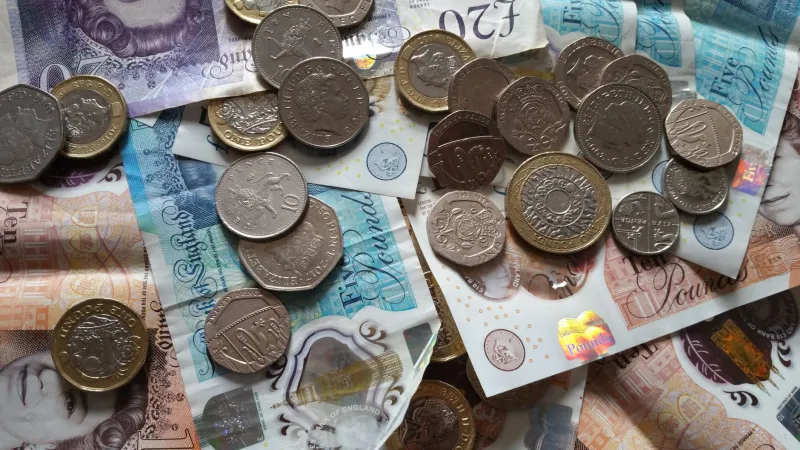
A tenner is one of the most common “let’s have a look” deposits on UK casino sites. It is small enough to feel casual, but big enough that most players quietly hope it will turn into a longer session, a feature or a story. At TigerSpin UK, we are not here to sell you a fantasy. The more useful question is simpler: what does £10 actually buy you on a UK slot in 2026?
The answer depends less on luck than on three practical things — your stake size, the number of spins that stake gives you and how much time you are willing to spend. Let’s trace the tenner honestly.
The arithmetic before the atmosphere
A slot bankroll is not magic. Divide your £10 by your stake and you get the maximum number of paid spins you can make before the money runs out, ignoring any wins along the way. That is the blunt starting point.
| Stake per spin | Spins from £10 | Rough spin time* |
|---|---|---|
| 10p | 100 | About 5 minutes |
| 20p | 50 | About 2.5 minutes |
| 50p | 20 | About 1 minute |
| £1 | 10 | About 30 seconds |
| £2 | 5 | About 15 seconds |
*At roughly three seconds per spin, excluding feature animations, pauses or any wins. Real sessions usually last longer, but this gives you the shape of it.
That table is not a prediction. It is a map. At 10p, a tenner can carry you through 100 spins. At £2, it can disappear in five. Same deposit, very different experience.
Why spin count matters more than the headline stake
Casual players often focus on the stake because it feels like the exciting part. A £1 spin sounds more serious than a 10p spin. But what you are really buying with a lower stake is more spins, and more spins mean more chances to see how the game behaves.
More spins also mean more exposure to the house edge, but in smaller slices. That is the trade-off. A higher stake does not change the slot’s RTP in any meaningful way. It simply changes how much of your £10 is on the line each time the reels move.
If a slot has an RTP of 96%, the long-run expected cost of cycling £10 through it is roughly 40p. At 94%, it is closer to 60p. Those figures are averages across a huge number of spins, not a fee deducted from your tenner. In one short session, the actual result can be anything from a quick loss to a modest win. That is variance doing its thing.
The house edge is a drip, not a trapdoor
It is easy to talk about the house edge as though it is a sudden trick. In practice, it is more like a slow drip. It does not care whether you are playing 10p spins or £2 spins. It works across the money you cycle through the game.
What changes with stake size is how quickly you feel the ups and downs. At £2 a spin, five losing spins take the whole tenner. At 10p, five losing spins take 50p. Neither outcome is unusual. The difference is that the lower stake leaves you more room to keep going and see whether the session settles into a different rhythm.
This is why a tenner can feel completely different from one slot to another. A low-volatility game might hand out small wins often enough to keep you spinning. A high-volatility game might swallow the tenner with barely a blink before a feature arrives — if it arrives at all.
Feature chances: the bit players tend to overestimate
Bonuses are the headline act on most UK slots, but they are not on a schedule. A game might average a feature every 150 spins, every 250 spins or much longer. Those averages are built over a massive sample, not a promise that your next 100 spins will include one.
This is where the tenner test gets interesting. At 10p, you might get 100 spins from your £10. If a slot’s feature frequency is around one in 200 spins, 100 spins gives you a real chance of seeing a bonus, but not a reliable one. At 20p, you are down to 50 spins. At £1, you have 10 spins. The chance of a feature in 10 spins is slim, even though the stake per spin feels more exciting.
That does not make higher stakes wrong. It just makes them different. If you want a longer look at a game’s base play, lower stakes make more sense. If you want a short burst and accept that the tenner may go quickly, a higher stake is a choice — not a strategy for beating the maths.
Three ways a tenner behaves
The 10p explorer gets the widest view. A hundred spins is enough to see the paytable in action, notice how often wins appear and get a feel for the slot’s pace. It is not a feature guarantee, but it is a proper sample.
The 20p or 50p sampler sits in the middle. You get fewer spins, but each one feels more substantial. This can suit players who find 10p spins too slow or too small to enjoy. The trade-off is that the tenner has less room to absorb a cold patch.
The £1 or £2 sprinter is buying a short, sharp session. Ten spins or five spins is not really enough to judge a game’s personality. It is closer to a quick flutter. That is fine if you go in knowing it, but it is a poor way to chase a feature you feel is “due”.
What the tenner does not buy
A tenner does not buy a guaranteed bonus. It does not buy a profitable session. It does not buy immunity from a run of dead spins. What it can buy is a bit of entertainment, a clearer understanding of how stake size changes your session and a useful reality check on your own expectations.
That last point matters. If a £10 deposit starts to feel like a stake in a comeback, the session has stopped being casual. UK-licensed casinos offer deposit limits, loss limits and time reminders for a reason. Use them before the tenner is gone, not after.
A calm tenner plan
Before you deposit, decide what the £10 is for. A longer low-stake session? A quick go on a new release? A test of a game you have only seen in demo mode? Pick the stake that matches the plan, not the stake that matches the biggest dream.
Check the paytable and RTP first. Look at the volatility. If you want more spins, keep the stake low. If you want a short burst, accept that the tenner may not last long. Set a time limit as well as a money limit. And never top up simply to chase a feature or recover a loss.
In 2026, UK slots are more polished than ever, but the basics have not changed. A tenner is a small bankroll. Treated honestly, it is a useful one. Treated as a shortcut, it is just a small bankroll with extra pressure attached.
Spin smart, play safe — and let the tenner tell you the truth about the session you are actually having.
18+. Please gamble responsibly. Support is available from GamCare and BeGambleAware.